Job Fit Score vs ATS Score: Which One Predicts an Interview?
Two scores circulate in every job-search toolkit, and confusing them wastes weeks: one measures whether a machine can read your file; the other predicts whether this role is worth your application.
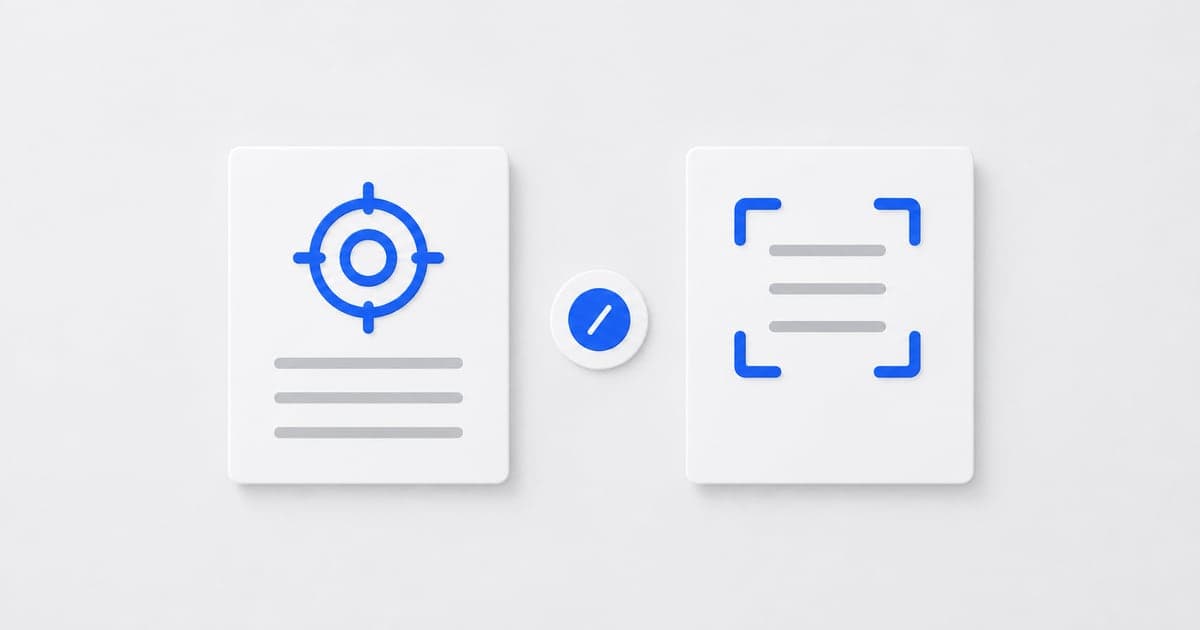
Short answer: an ATS score grades parseability — format, sections, keywords — so your application gets processed correctly. A job fit score estimates how well your real background matches one specific posting. They answer different questions, disagree often, and the working order is: clear the ATS floor quickly, then spend your real effort on fit.
Definitions side by side
| ATS / resume score | Job fit score | |
|---|---|---|
| Question answered | "Can software and a skimming recruiter read this correctly?" | "How close is my real history to THIS role?" |
| Inputs | Your document (sometimes + posting keywords) | Your career history + full posting text |
| Grades | Format, sections, keyword presence, mechanics | Skills, experience band, preferences vs requirements |
| Blind to | Evidence quality, seniority logic, competition | Internal candidates, referrals, budgets |
| Predicts | Being processed and ranked correctly | Whether an interview is plausible |
Where the two scores disagree
The disagreements are where decisions live:
High ATS score, low fit — the expensive mistake
A polished, keyword-complete resume aimed at a role you don't really match. It parses beautifully and loses anyway — after you invested hours. This is spray-and-pray with better formatting.
Low ATS score, high fit — the fixable tragedy
Genuinely strong candidate, decorative two-column template that parsers choke on. Tragic only if unfixed: one hour of formatting rescue makes the fit visible.
Both high — apply within 48 hours
Clean file, real match, tailored bullets. This combination is what shortlists are made of.
The optimization order
- 1. Clear the ATS floor once. Single column, standard headings, text-based PDF. Done properly, it stays done (what checkers grade here).
- 2. Score fit per posting. Before tailoring — so weak-match roles exit early (how fit scoring works).
- 3. Tailor for the humans. Mirror must-haves with evidence; numbers beat adjectives.
- 4. Re-check both. Parseable? Fit moved up? Ship.
Why tools conflate the two
Many products label keyword-overlap percentages as "match scores," blurring the line — which is how candidates end up polishing parseability while the actual problem is a seniority gap. When evaluating any score, ask what its inputs are: your document alone (ATS-side), or your history against the posting (fit-side). ElevateAI reports both separately for every saved job — see the methodology — because the two answers lead to different next actions.
Frequently asked questions
Which score should I optimize first?
Fix the ATS-side floor first — it's mechanical and fast: clean single-column format, standard headings, text-based export. Then work on fit: mirroring the posting's real requirements with honest evidence. A perfectly parsing resume for a role you don't match still loses; a strong match that fails to parse never gets read.
Can I have a high ATS score but still get rejected?
Yes, commonly. ATS-style scores reward keyword coverage and format — none of which compensates for missing must-haves, wrong seniority bands, or hundreds of competing applicants. A high scanner score means your application is readable; it says nothing about whether anyone will want to interview you.
What does a resume match percentage actually mean?
It depends on the tool: most 'match' or keyword scores measure overlap between posting vocabulary and your resume text. That's useful for spotting missing honest keywords, but it isn't the same as job fit scoring, which weighs your actual experience depth and preferences against the role — not just word overlap.
Related guides
- → What Is a Job Fit Score?
- → Resume Score Explained
- → How ElevateAI Fit Scoring Works
- → Tailoring Your Resume
Both scores, every application
Save a job, see its fit score against your career memory — and know every tailored draft ships ATS-clean. Free tier includes one AI-scored saved job.
Check both free